
Oil and gas ‘done right’ means higher costs for New Mexico operators, study says
Carlsbad Current Argus--Releases of excess natural gas through venting or burning it through flaring also wasted a resource Kayne said could mean more revenue to the public. “That fact that we just allow it to be vented into the atmosphere is concerning to say the least,” she said. “It’s a natural resource and it could mean more revenue.”
 A Demographic Analysis of Young Parents (Ages 18-24) and Their Families in New Mexico Gallery
A Demographic Analysis of Young Parents (Ages 18-24) and Their Families in New Mexico
Economic Security Publications, Education Publications, Health Publications, Local Data, Publications, Racial and Ethnic Equity Publications
A Demographic Analysis of Young Parents (Ages 18-24) and Their Families in New Mexico
Report Young parents make up a very small share of New Mexico's population and they face unique challenges and barriers to success. This report looks at how this subpopulation is faring. (State-level data on the demographics of parents and young adults on indicators such as economic security, educational attainment, etc.)
Los Alamos National Laboratory operator investing in child care capacity
Santa Fe New Mexican--Lab officials said the initiative will be one piece of the solution to closing the gap between the number of existing and needed child care slots in New Mexico, a void that currently includes more than 20,000 slots, according to a 2023 report by New Mexico Voices for Children.
 Albuquerque City Council Can Improve Housing Outcomes by Creating a Rental Database Gallery
Albuquerque City Council Can Improve Housing Outcomes by Creating a Rental Database
Blog Posts, Economic Security Blog, Economic Security News Coverage, Health Blog, Health News Coverage, Human Rights/Civic Participation Blog, Human Rights/Civic Participation News Coverage, News Coverage
Albuquerque City Council Can Improve Housing Outcomes by Creating a Rental Database
Albuquerque Journal--By creating a rental database, Albuquerque would be able to gather data about the city’s residential rental market, improve communications between the city and landlords, and protect the health and well-being of rental occupants.
2023 Legislative Post-session Review
Post-session Review Many of the policies enacted during the 2023 legislative session mean big wins for New Mexico's families. This fact sheet lists some of the highlights, along with some policies that were either not passed or were passed and then vetoed.
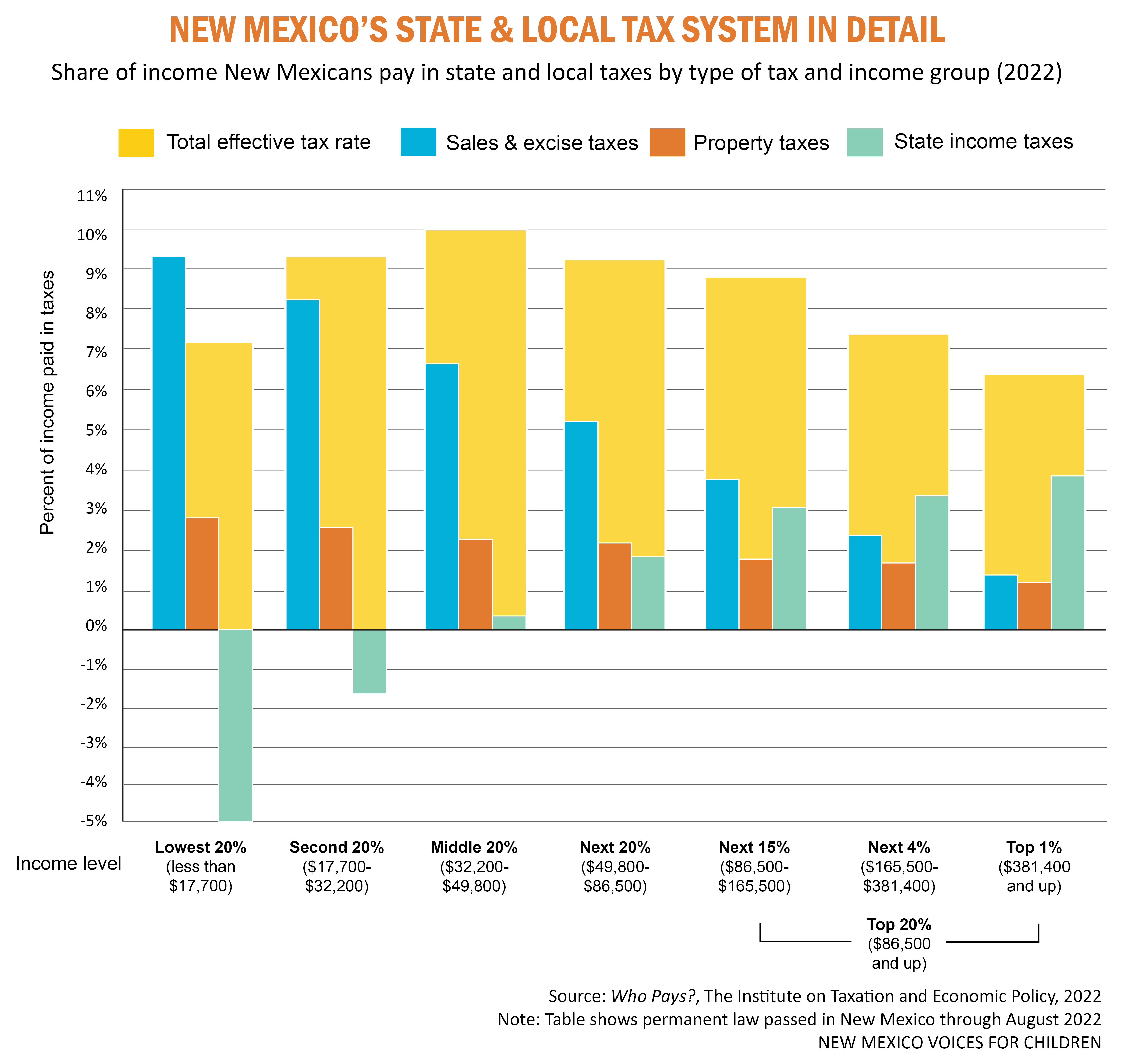
Tax Day – a time for reflection on all the things New Mexico has done right
Another Tax Day has come and gone, which makes it a great time to mention some of the improvements our state leaders have made to our tax system over the last several years. The big news is the creation and expansion of our Child Tax Credit, which we know is one of the best and most effective ways to help our families and their growing children.