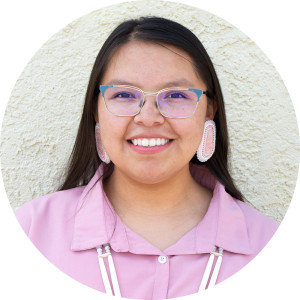
 By Hannah Naljahih, MPS
Policy Fellow
October 05, 2026
To address issues related to health, education, gaming, economic, opportunity, environmental protection, and tribal sovereignty in New Mexico, young people living in Indigenous communities who are directly impacted by these issues need to be at the forefront and part of the conversation.
Last month, I, a young Navajo and Kiowa woman from New Mexico, and 10 other Native youth, had the opportunity to walk the lands of Washington D.C., wondering who had walked here before me and which ancestors once called those lands home. In an effort to strengthen my leadership and advocacy skills and deepen my connection to Indian Country, I participated in a fellowship cohort of Native youth connected to their communities. Through the program, I traveled to Washington, D.C., where I gained firsthand experience with the policymaking process and became more comfortable navigating spaces where decisions affecting Native communities are made.
Through my trip, I was able to explore the relationship between philanthropy, nonprofit work, and policy, learning about the ways funding drives decisionmaking and advocacy by community partners drive the policies that decisionmakers prioritize. Visiting national organizations that fund tribal and Indigenous organizations across the country, I began to think about my own state and the ways underfunding at the state level can contribute to the underinvestment in Tribal Nations and the communities they serve. Through this experience, I gained an understanding of the importance of Indigenous advocacy and how necessary it is to ensure Native voices are represented in the spaces where funding priorities and decisions are made.
Working collectively is critical for advocating and protecting tribal sovereignty. When community, philanthropic and policymakers work together, they can build power and resources for long lasting change. It is critical that Indigenous communities be involved in all decisionmaking because the community is at the heart of it. When discussing issues directly impacting Indigenous people, Indigenous people and communities should be helping define and distribute where resources go and which policies are prioritized. Ultimately, as Native communities, we must be the ones to create solutions for our own people exercising our self-determination.
Young people are often pushed to the side of the conversation, but through this experience, I understood that Native youth are not future leaders; we are already members of our communities impacted by the policy decisions leaders are making today. Native youth understand the traditions, values, and lived experiences that have shaped our communities. We are more than capable of bringing that knowledge and perspective to policy, advocacy, and philanthropic conversations, and to decisions about funding, legislative priorities, and the issues that matter most to our communities.